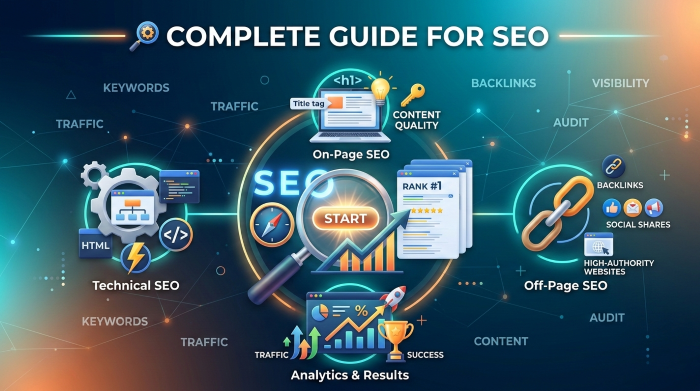
Everything about SEO you need to know — from the basics to advanced strategies — explained in plain English.
If you have a website and you want people to find it, you need SEO. It is that simple. But knowing what SEO actually is, how it works, and what to do with it — that is where most people get stuck.
This guide covers everything from scratch. Whether you are a business owner who just built your first website, a marketing professional looking to sharpen your skills, or someone who keeps hearing the term and finally wants to understand it — this is for you.
We will walk through what SEO means, how it fits into digital marketing, what tools you need, how AI is changing the game, and what local businesses should focus on right now. No jargon. No fluff. Just the real stuff.
What Is SEO? Let’s Actually Define It
SEO stands for Search Engine Optimization. When you define SEO in simple terms, it means making your website show up higher in search results when people look for something related to your business.
Think about the last time you Googled something. You probably clicked one of the top three results, right? That is not a coincidence. Those websites earned those spots by doing SEO well.
Search engines like Google use complicated algorithms to decide which pages deserve to rank at the top. SEO is the process of understanding those algorithms and improving your website so Google sees it as the best answer to a search query.
Here is what that actually looks like in practice:
- You write a blog post that answers a common question your customers ask.
- You structure it correctly, use the right words, and make sure the page loads fast.
- Google notices and starts showing your page when people search for that topic.
- People click your link, visit your site, and potentially become customers.
That is SEO at its core. It brings free, organic traffic to your site from people who are already looking for what you offer.
SEO and Digital Marketing: How Do They Fit Together?
SEO and digital marketing go hand in hand. Digital marketing is the big umbrella term for all the ways you promote your business online. Under that umbrella, you have social media marketing, email campaigns, paid ads, content marketing — and SEO.
But here is what makes SEO different from the others: it works while you sleep.
When you run a paid ad, it shows up as long as you keep paying. The moment you stop, the traffic stops. SEO is different. A well-optimized page keeps pulling in visitors for months or even years without additional spend. That is why businesses that understand SEO and digital marketing together have a serious advantage.
In a smart digital marketing strategy, SEO supports everything else:
- Your blog content (SEO) drives people to your email list.
- Social media posts link back to SEO-optimized pages on your site.
- Paid ads target keywords that your SEO research already identified.
The businesses that treat SEO as separate from their broader digital strategy miss out on this compounding effect. When you bring it all together, each channel makes the others stronger.
Search Engine Optimization in Digital Marketing: The Three Pillars
Search engine optimization in digital marketing rests on three main pillars. Miss any one of them and your results will suffer.
1. On-Page SEO
This is everything you do on your actual website pages. It includes the words you use, how you structure your headings, the title tags, meta descriptions, image alt text, and internal links. On-page SEO tells search engines exactly what your page is about and why it deserves to rank.
Good on-page SEO starts with choosing the right keywords. You want to use words and phrases that your target audience actually searches for. Then you weave those terms naturally into your content without stuffing them in awkwardly.
2. Off-Page SEO
This covers everything that happens outside your website but still impacts your rankings. The biggest factor here is backlinks — other websites linking to yours. When authoritative sites link to you, Google treats it like a vote of confidence.
Off-page SEO also includes your brand mentions, social signals, and reviews on third-party platforms. Building a strong off-page presence takes time, but it is one of the most powerful things you can do for your long-term rankings.
3. Technical SEO
This is the behind-the-scenes work that makes sure search engines can actually access, crawl, and index your website properly. It covers things like page speed, mobile-friendliness, site structure, XML sitemaps, SSL certificates, and structured data.
Think of technical SEO as the foundation. You can write the best content in the world, but if your site loads slowly or has broken links everywhere, Google will not rank it.
SEO vs. Search Engine Marketing: What Is the Difference?
People often mix up SEO and search engine marketing (SEM). They are related, but they are not the same thing.
SEO focuses on earning traffic organically — meaning you do not pay for the clicks directly. You invest in content, optimization, and link building, and over time Google rewards you with free traffic.
Search engine marketing, on the other hand, includes both SEO and paid advertising. When people talk specifically about SEM, they usually mean pay-per-click (PPC) ads — like Google Ads — where you pay every time someone clicks on your ad.
Here is how to think about the trade-off:
- SEO takes longer to show results but delivers sustainable, compounding traffic.
- Paid SEM gets you results quickly but costs money every single day you run it.
- The smartest businesses use both together — paid ads for quick wins, SEO for long-term growth.
Why SEO Matters for Your Business
If you run any kind of SEO business or want to grow one, you already know that customers start their buying journey with a search. According to industry data, over 68% of online experiences begin with a search engine. That number alone should tell you everything.
Here is what good SEO actually does for your business:
- Brings in warm leads — people who are actively searching for what you sell are far more likely to convert than cold audiences.
- Builds trust — ranking high on Google signals authority and credibility to potential customers.
- Levels the playing field — a small business with good SEO can outrank big competitors with massive ad budgets.
- Delivers long-term ROI — the content you optimize today keeps generating traffic for years.
Even service businesses, e-commerce stores, law firms, dentists, and local shops all benefit from a solid SEO strategy. If you want people to find you online, SEO is not optional.
SEO Website Optimization: A Step-by-Step Breakdown
SEO website optimization is where strategy meets action. Here is a practical breakdown of the key steps:
Step 1 — Keyword Research
Start by figuring out what your target audience types into Google. Use keyword research tools (more on those below) to find terms with decent search volume and realistic competition levels. Focus on a mix of short, high-volume keywords and longer, more specific phrases called long-tail keywords.
Step 2 — Optimize Your Pages
Each page on your site should target one primary keyword. Put that keyword in the page title, the first paragraph, at least one subheading, and naturally throughout the body. Write for humans first — if it reads awkwardly, rewrite it. Google is smart enough to understand context now.
Step 3 — Fix Your Technical Foundation
Run a technical audit on your site. Check for broken links, slow-loading pages, duplicate content, missing meta tags, and crawl errors. Make sure your site is mobile-friendly — more than half of all web searches happen on phones.
Step 4 — Create Consistent, Quality Content
Google loves fresh, useful content. Start a blog. Answer the questions your customers ask you every day. Create guides, how-tos, and comparison articles. Every piece of content is another page that can rank, another entry point for potential customers.
Step 5 — Build Links
Reach out to relevant websites, contribute guest posts, get listed in industry directories, and create content so good that people naturally link to it. Backlinks are still one of the strongest ranking signals Google uses.
Step 6 — Track and Adjust
SEO is never a set-it-and-forget-it thing. Monitor your rankings, traffic, and conversions regularly. If something is not working, figure out why and fix it. SEO rewards patience and consistency above all else.
The Best SEO Tools to Use in 2024 and Beyond
You cannot do SEO well without the right SEO tools. Here are the ones that professionals actually use:
Google Search Console (Free)
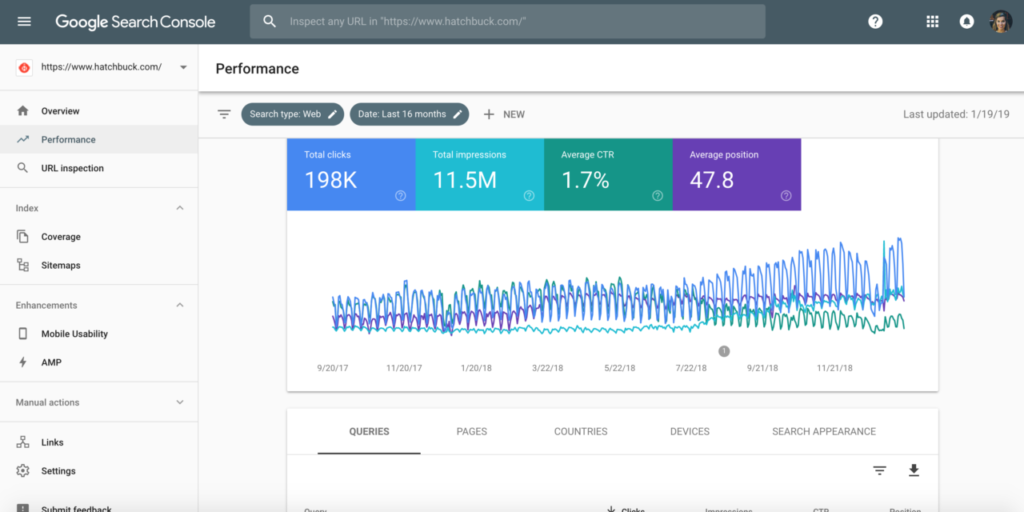
This is the first tool you should set up. It shows you which keywords your pages already rank for, how many clicks you get from Google, any indexing errors on your site, and your Core Web Vitals scores. It is completely free and it comes straight from Google.
Google Analytics (Free)
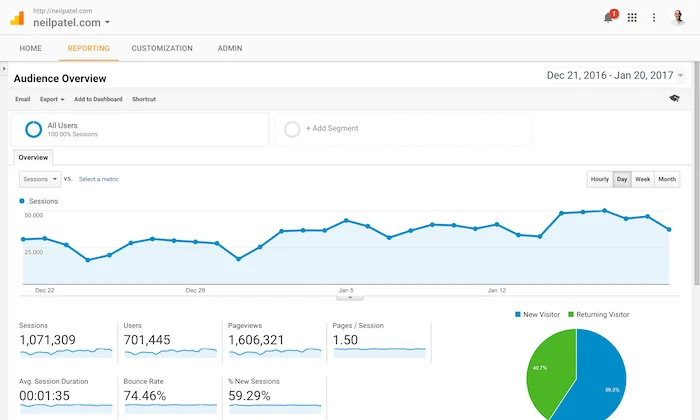
Tracks your website traffic in detail. You can see where visitors come from, how long they stay, which pages they visit, and whether they complete actions like form fills or purchases. Pair it with Search Console for a full picture.
Ahrefs or SEMrush (Paid)
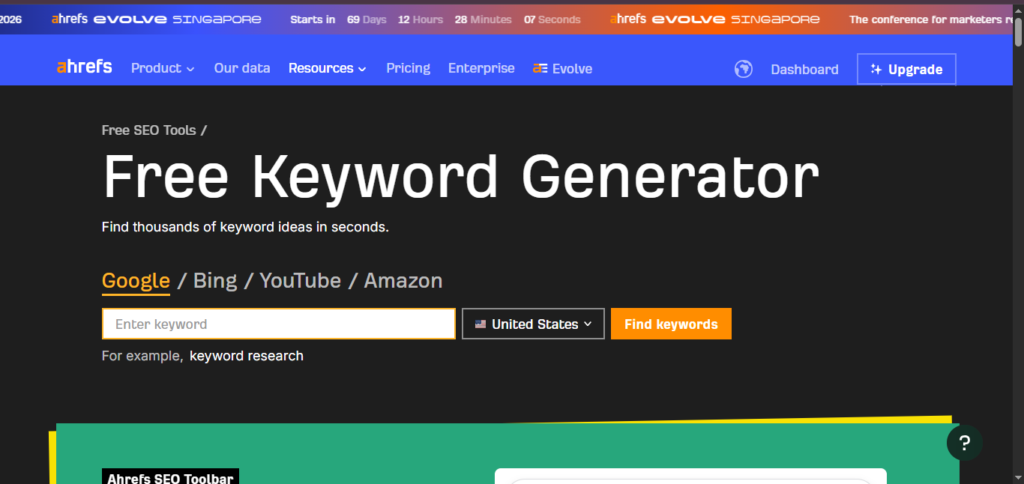
These are the power tools of SEO. Both let you do deep keyword research, spy on what your competitors rank for, analyze backlink profiles, track your rankings over time, and audit your site for technical issues. They are pricey but worth it if you are serious about SEO.
Screaming Frog (Freemium)
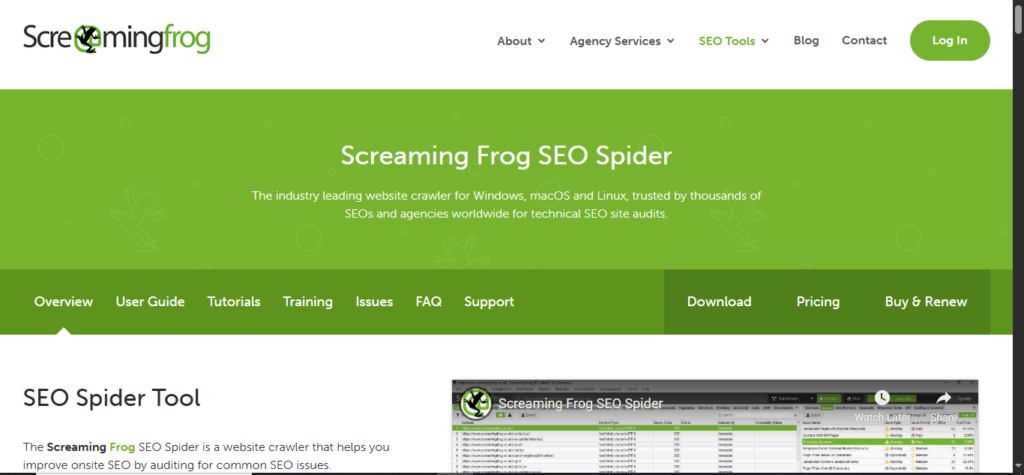
A website crawler that goes through every page on your site and flags technical issues — broken links, missing meta tags, redirect chains, duplicate content, and more. The free version handles up to 500 pages.
Yoast SEO or Rank Math (WordPress Plugins)
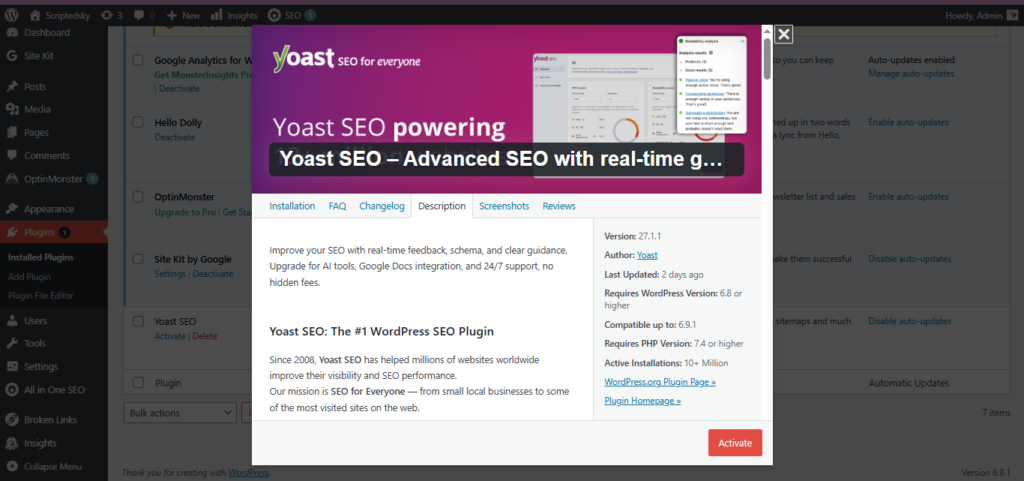
If your site runs on WordPress, these plugins make on-page optimization easy. They guide you through optimizing each post or page, check your keyword usage, generate XML sitemaps, and handle a lot of the technical stuff automatically.
Ubersuggest (Freemium)
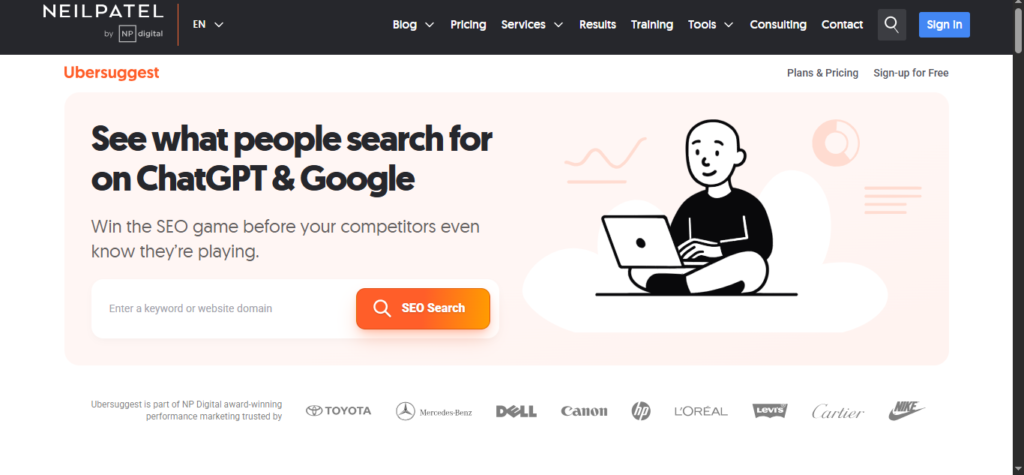
A more budget-friendly keyword research tool. Great for beginners. It shows search volume, keyword difficulty, content ideas, and even a site audit. The free version is genuinely useful.
AI SEO Optimization: How Artificial Intelligence Is Changing Search
AI SEO optimization is one of the hottest topics in the industry right now — and for good reason. Artificial intelligence is reshaping how search engines work and how marketers do their jobs.
Here is what is actually changing:
Google’s AI Is Smarter Than Ever
Google now uses AI systems like RankBrain and BERT to better understand what users actually want when they search. It is not just matching exact keywords anymore — Google understands intent. If someone types ‘how do I fix my leaky tap,’ Google knows they want a how-to guide, not a product listing.
This means you need to write content that genuinely answers questions and solves problems — not content that just stuffs in keywords.
AI Tools for Content Creation
Marketers now use AI writing tools to produce content drafts faster, generate topic ideas, create meta descriptions at scale, and identify content gaps. Tools like ChatGPT, Jasper, and Surfer SEO all help speed up the content process.
But here is the thing: AI tools are assistants, not replacements. The best content still needs a human touch — real experience, genuine opinion, and clear writing that reflects an actual person’s voice.
AI-Powered SEO Analysis
Modern SEO platforms use AI to analyze competitor content, predict which keywords are gaining momentum, and suggest optimizations you might miss manually. This speeds up research dramatically.
Google’s AI Overviews and What They Mean for You
Google has started showing AI-generated summaries at the top of some search results. This is called an AI Overview. Some people worry this will kill organic traffic. In reality, for complex, specific queries, people still click through to read more. The best defense is creating genuinely useful, detailed content that covers a topic thoroughly.
If your content is thin and surface-level, AI overviews will replace it. If your content is rich, specific, and genuinely helpful, you will still win.
Local SEO Services: How to Win in Your Own Backyard
If you run a business that serves a specific geographic area — a restaurant, law firm, salon, plumber, dentist, gym — local SEO services are where your focus should go.
Local SEO is about showing up when people nearby search for your services. When someone types ‘best pizza near me’ or ‘dentist in Chicago,’ local SEO determines who shows up.
Google Business Profile: Your Most Important Local Asset
If you have not set up and optimized your Google Business Profile (formerly Google My Business), do it today. This free listing shows up in Google Maps and in the local pack — the box with three local businesses that appears at the top of location-based searches.
Make sure your profile includes:
- Accurate business name, address, and phone number (NAP consistency matters hugely).
- Business hours, including holiday hours.
- High-quality photos of your business.
- A detailed description with relevant keywords.
- Regular posts and responses to customer reviews.
Online Reviews Are a Ranking Signal
Google takes reviews seriously. More positive reviews and higher ratings help your business rank better in local results. Actively ask satisfied customers to leave reviews. Make it easy for them — send a direct link to your Google review page.
And when you get a negative review, respond professionally. Future customers read how you handle criticism more than the criticism itself.
Local Citations and Directory Listings
Get your business listed in relevant local directories — Yelp, Yellow Pages, TripAdvisor, Bing Places, Apple Maps, and any industry-specific directories. Make sure your name, address, and phone number are identical across all of them. Inconsistencies confuse Google and hurt your rankings.
Location-Specific Landing Pages
If you serve multiple cities or neighborhoods, create a dedicated page for each location. Optimize each page for searches in that area. Do not just copy-paste the same content with a different city name — Google will penalize that. Write genuinely helpful content that speaks to each location.
Common SEO Mistakes That Kill Your Rankings
Knowing what to do is only half the battle. Knowing what to avoid is just as important. Here are the most common mistakes people make:
- Keyword stuffing — jamming keywords into every sentence makes content unreadable and triggers Google penalties.
- Ignoring mobile users — if your site is hard to use on a phone, your rankings will suffer.
- Thin content — publishing short, low-effort pages that offer little value does not work anymore.
- Ignoring page speed — users leave slow pages, and Google knows it. Even one second of delay hurts conversions.
- Buying cheap backlinks — low-quality links from shady sites can get you penalized and hurt your rankings badly.
- Not updating old content — your competitors improve their pages constantly. If you leave your content stale, you lose ground over time.
- Skipping analytics — if you do not track what is working, you have no idea where to focus your efforts.
How to Build a Content Strategy That Actually Ranks
Content and SEO are two sides of the same coin. Without strong content, SEO has nothing to optimize. Without SEO, great content never gets found.
The best content strategy starts with understanding search intent — why is someone searching for a particular term? Are they looking for information? Trying to compare products? Ready to buy? Each intent calls for different content.
A practical content plan looks like this:
- Build a pillar page — a comprehensive guide on your main topic (like this article you are reading now).
- Create cluster content — shorter, more specific articles that link back to the pillar page.
- Target informational keywords — ‘what is,’ ‘how to,’ ‘why does’ — with blog posts and guides.
- Aim for commercial keywords — ‘best,’ ‘top,’ ‘vs,’ ‘review’ — with comparison and product pages.
- Target transactional keywords — ‘buy,’ ‘price,’ ‘near me’ — with service and product pages.
The goal is to build a web of content that covers your topic from every angle. This signals to Google that your site is an authority in your space.
How to Measure SEO Success
You cannot improve what you do not measure. Here are the key metrics to track:
- Organic traffic — the total number of visitors coming from search engines. This is your headline number.
- Keyword rankings — which positions your target keywords hold in search results.
- Click-through rate (CTR) — what percentage of people who see your listing actually click it.
- Bounce rate — are visitors sticking around or leaving immediately? High bounce rate often signals a mismatch between what searchers expected and what they found.
- Domain authority — a score (used by tools like Ahrefs and Moz) that estimates how strong your site’s backlink profile is.
- Conversions from organic traffic — ultimately, traffic only matters if it leads to business results.
Check these metrics monthly, not daily. SEO moves slowly and you need enough data to spot real trends rather than daily noise.
How Long Does SEO Take? Setting Realistic Expectations
This is the question every business owner asks, and the honest answer is: it depends. But here is a rough guide:
- 0 to 3 months — technical fixes get indexed, foundational content is published, initial rankings may start to appear for low-competition keywords.
- 3 to 6 months — organic traffic starts to grow noticeably, more pages rank, and early wins become visible.
- 6 to 12 months and beyond — significant traffic growth, higher-competition keyword rankings improve, and ROI compounds.
Anyone who promises you first-page Google rankings in two weeks is lying to you. SEO takes real time, real work, and real patience. But the businesses that commit to it consistently are the ones that build sustainable, compounding growth.
The Big Picture: SEO Is a Long-Term Investment, Not a Quick Fix
After reading all of this, here is the most important thing to take away:
SEO is not a trick and it’s not a shortcut either. It is not something you do once and forget. It is an ongoing commitment to making your website genuinely useful, technically sound, and worthy of the trust that search engines and users place in top-ranked pages.
When you combine solid on-page optimization with quality content, a clean technical foundation, and a steady stream of backlinks, you build something that pays dividends for years. Every competitor who gives up after three months is leaving space for you.
Whether you are a solo entrepreneur, a small business owner, or running a full-blown SEO business for clients — the principles do not change. Understand your audience, answer their questions better than anyone else, build authority, stay consistent, and let the results compound.
That is the real definition of SEO. And now you know how to use it.
Final Takeaways
- SEO (Search Engine Optimization) is the process of improving your website so it ranks higher in search engines and attracts organic traffic.
- SEO and digital marketing work best together — each channel strengthens the others.
- The three pillars of SEO are on-page, off-page, and technical — you need all three.
- SEO and search engine marketing are related but different — one is organic, the other includes paid ads.
- Use the right SEO tools to research, optimize, audit, and track your progress.
- AI is transforming SEO — adapt by writing for humans, covering topics in depth, and using AI tools to assist, not replace, your work.
- Local businesses should prioritize Google Business Profile, reviews, and location-specific content.
- SEO takes 6 to 12 months to show strong results — patience and consistency win.
Start with the basics, stay consistent, and keep improving. That is how you win at SEO.
Also read: The Complete Guide to Making Money